






Periodontology
Until recently, many people considered periodontal diseases untreatable, believing that tooth loss from these conditions was inevitable.
According to statistics, one in two adults suffers from some form of periodontal disease, which is the primary cause of tooth loss. Furthermore, these diseases significantly impact overall health. This highlights that these issues remain extremely common and should not be underestimated.
With the development of periodontology—a specialty that studies the supporting structures of the teeth, including the gums, bone, and tooth ligaments, collectively known as the ‘periodontium’—these outdated perceptions in dental medicine are being left behind. Modern understandings of the nature of these problems, coupled with advancements in technology, now allow for effective prevention of periodontal diseases and the management of pathological changes once they have occurred.
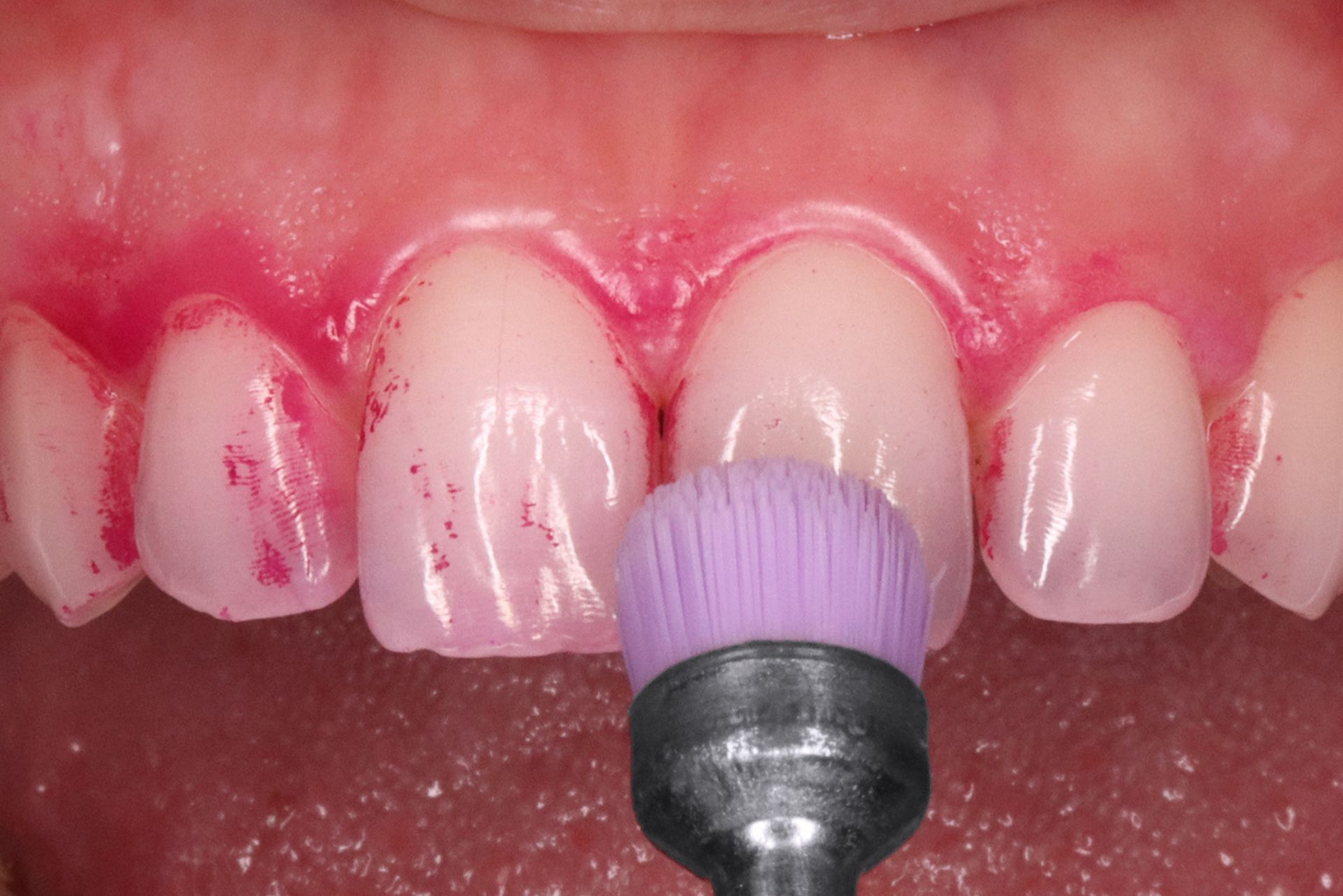
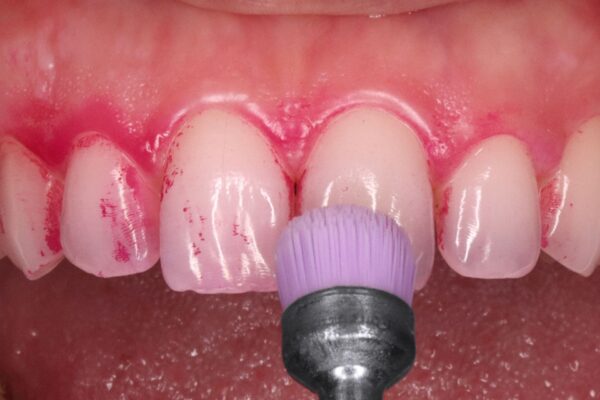
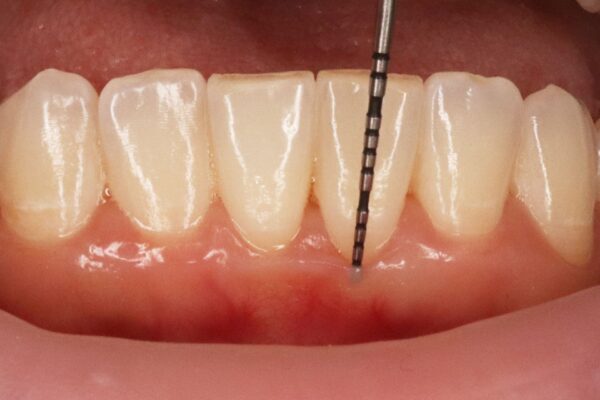
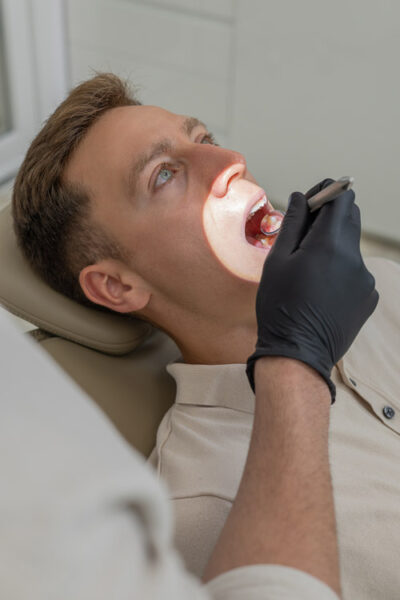
In our practice, we believe that the best treatment is prevention. This primarily involves controlling bacterial biofilm (dental plaque), which is responsible for the onset of inflammation. We emphasize education on proper oral hygiene and provide professional cleaning in the dental office.
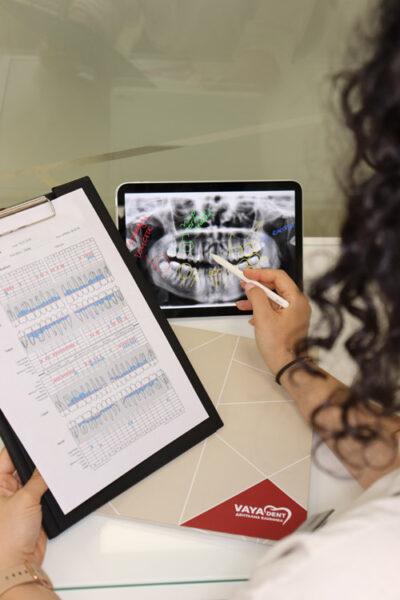
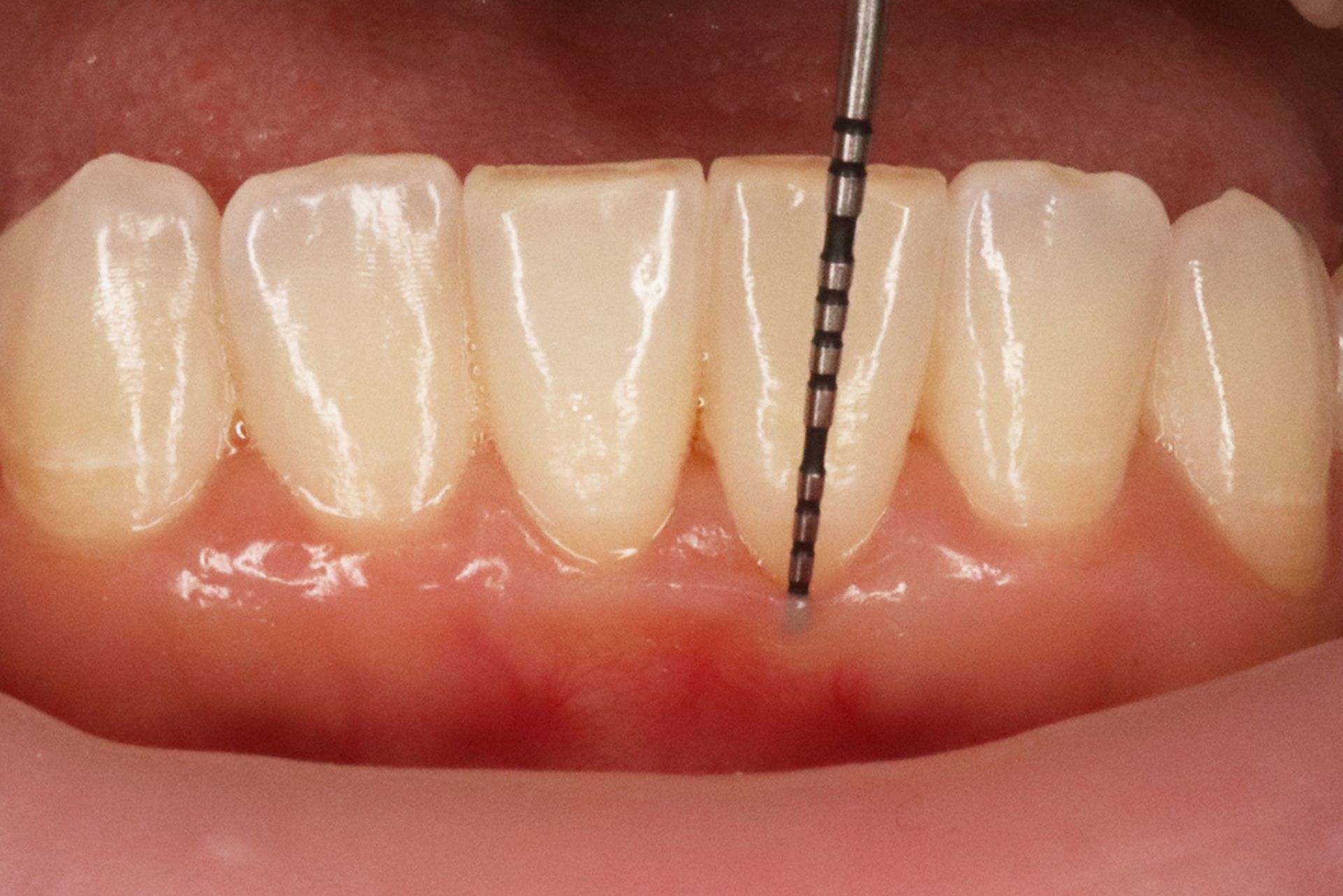
When necessary, we conduct a complete periodontal diagnosis, which includes a series of specialized radiographic and clinical examinations. Based on this assessment, we develop a comprehensive treatment and maintenance plan for periodontitis, tailored to the patient’s needs. Our goal is to preserve natural teeth and achieve a beautiful smile with healthy gums.
Gingivitis is a common inflammation that is limited to the gums.
Periodontitis, on the other hand, is an inflammatory-destructive process that affects the entire supporting structure of the tooth.
In this condition, the bacterial infection from the gum penetrates deeper into the bone and tissues, destroying them. It is among the ten most common diseases affecting people and a leading cause of tooth loss in adults.
Gingivitis is usually caused by dental plaque, which continuously accumulates on the teeth. If not cleaned within hours of its formation, changes occur in the plaque that increase the number of pathogenic bacteria and their byproducts, leading to inflammation in the gums.
Other possible causes include prolonged use of certain medications and hormonal changes. Additionally, predisposing factors can include improperly made restorations—such as fillings, crowns, and bridges—that facilitate plaque retention.
Periodontitis is a multifactorial disease, with the primary cause being the accumulation of pathogenic microorganisms in dental plaque formed above and below the gum line. The patient’s susceptibility and immune response to bacterial irritants play a significant role in its development.
Other risk factors for periodontal diseases include genetic predisposition, smoking, stress, diabetes, hormonal changes, and certain medications.
.
Periodontal diseases can be classified and grouped based on various parameters, including etiology, clinical presentation, distribution, progression rate, and severity.
The most common forms are plaque-induced gingivitis and chronic periodontitis, which affects more than 30% of teeth.
Healthy gingival tissues are pink, firm, and have a stippled surface, with the margin running parallel to the tooth necks.
When inflamed, the gums appear red, recede from the tooth necks, and have a softer consistency. Swelling occurs, and the surface smoothens. A characteristic symptom is bleeding during brushing, eating, or even spontaneously. Typically, there is no pain, which can cause the problem to go unnoticed for a long time.
One of the most characteristic signs of periodontitis is the formation of periodontal pockets of varying depths due to tissue destruction, including damage to the bone and supporting structures. Plaque accumulates in these pockets, further accelerating the progression of the disease.
Symptoms include gum inflammation characterized by redness, swelling, bleeding, and recession from the tooth necks. Visually, the teeth may appear elongated, become mobile, and shift positions. As periodontitis progresses, tooth mobility increases, ultimately leading to tooth loss. These processes typically occur without pain; if pain is present, it is usually dull and deep within the jaw.
Gingivitis is a reversible condition, and timely intervention can lead to complete rehabilitation.
Therapy primarily focuses on eliminating the factors that contribute to gingivitis. It typically begins with a thorough cleaning of all tooth surfaces to remove plaque and deposits. Additional procedures and oral hygiene maintenance measures may be prescribed, tailored to the specific needs of each patient.
The treatment of periodontitis is divided into three phases.
Initial Phase: This phase aims to eliminate the causes of the disease and control risk factors. It typically involves cleaning dental tartar and plaque from all tooth surfaces, along with motivation and guidance for proper oral hygiene tailored to the patient’s needs. The goal is to eliminate or minimize inflammation.
Corrective Phase: This phase addresses issues that were not resolved in the initial treatment. It includes surgical methods for removing altered tissues and restoring periodontal health.
Final Phase: This phase is undertaken once periodontitis has been halted. The focus is on maintaining the achieved results and preventing recurrence of the disease through periodic check-ups.
If left untreated, in certain cases, gingival inflammation can progress deeper, leading to the development of periodontitis (also known as pyorrhea) with gradual tooth loosening and loss.
Periodontitis is an advanced stage of gum disease that often develops unnoticed. Unlike gingivitis, it is irreversible and can lead to serious long-term consequences for the appearance and position of the teeth, with the most severe outcome being the loss of a significant number of teeth.
The easiest and most effective way to prevent gum inflammation is by maintaining strict oral hygiene, which includes regularly brushing your teeth with a toothbrush and toothpaste, as well as using dental floss.
To keep your gums healthy, it’s also important to visit us for regular preventive check-ups.