




Orthodontics
Orthodontics is a branch of dental medicine that focuses on the causes, prevention, and treatment of dental and jaw disorders, ranging from mild tooth alignment irregularities to severe deviations in jaw position and bite.
The most common reason patients seek an orthodontist is the desire for a beautiful smile. However, many may not realize that ‘crooked’ teeth and improper bites are not just aesthetic concerns; they also pose serious functional problems, as the primary role of teeth is to chew food effectively.
Successful orthodontic treatment focuses on restoring functionality and proper alignment in the dental-jaw complex, with aligned teeth and a radiant smile as a natural outcome. While orthodontics is often seen as primarily aesthetic, the treatment process is, in fact, a precise, gradual, and collaborative effort between the doctor and the patient to achieve both health and beauty.
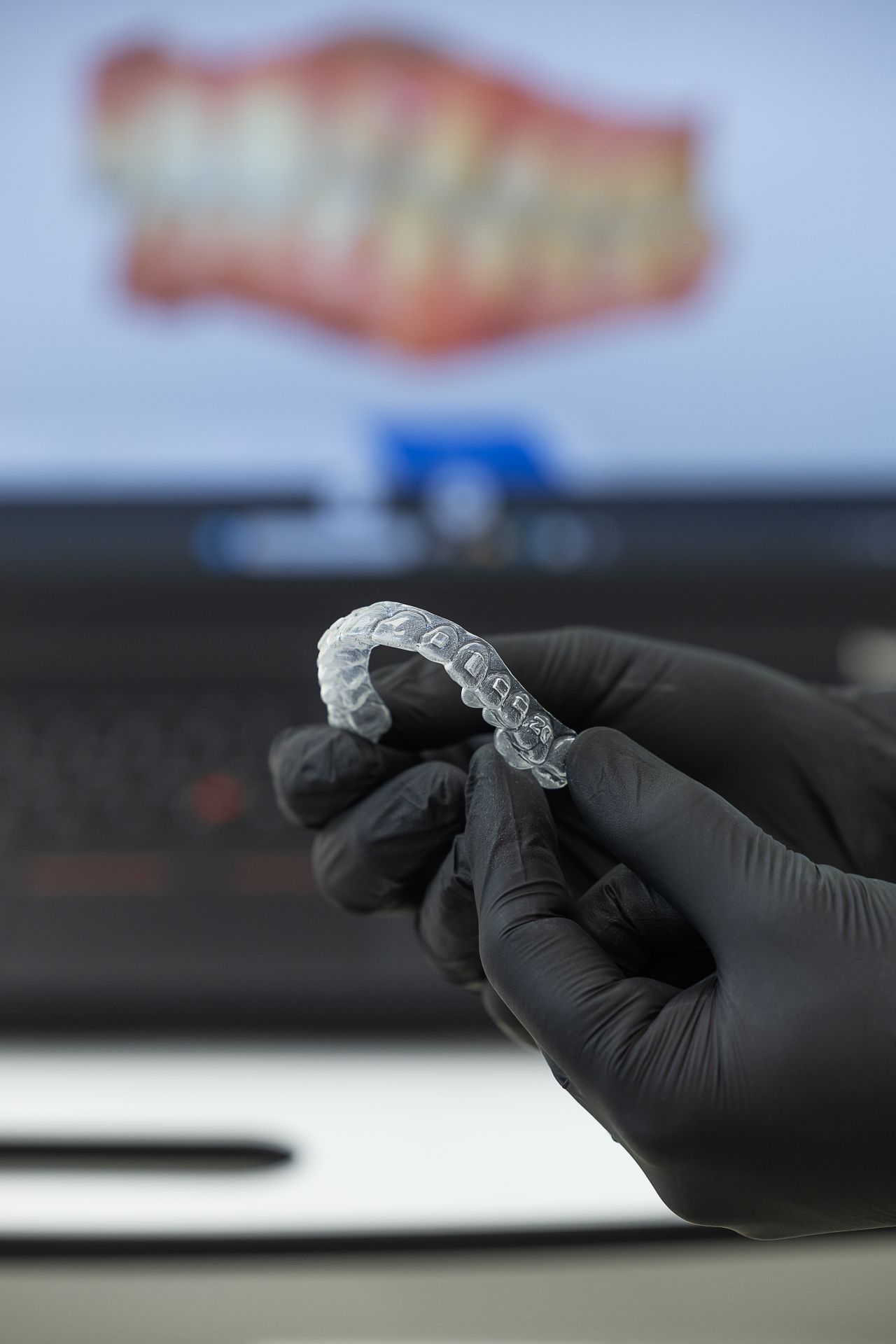
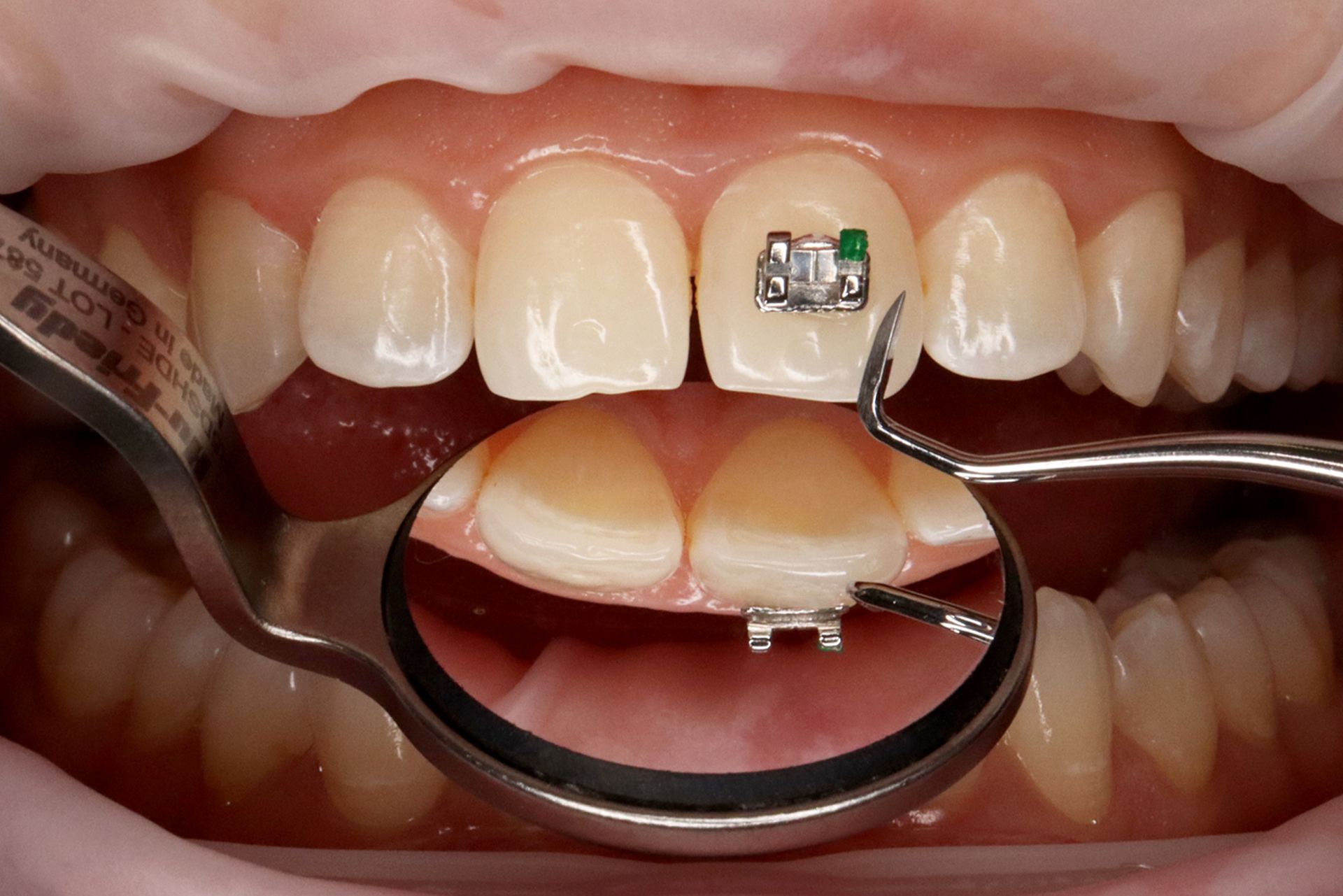
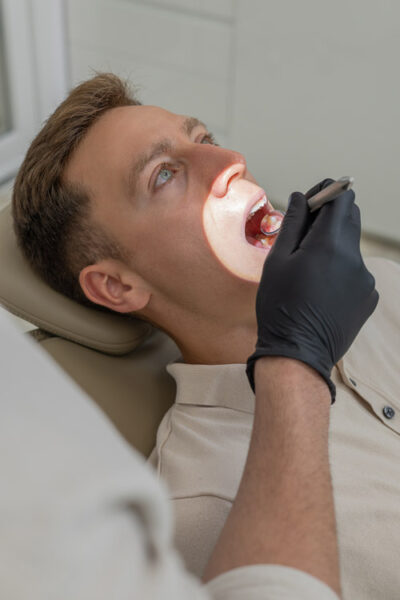
At our dental clinic, Vaya Dent, we provide orthodontic therapy for both children and adults, adhering to the most established global standards. Each treatment begins with a thorough analysis of the issue, followed by the creation of a treatment plan that is discussed with the patient. Depending on the patient’s age and goals, we utilize a range of appliances, including removable and fixed options—such as metal and aesthetic braces, extraoral appliances, transparent removable aligners, and orthodontic mini-implants. We partner with reputable manufacturers known for their high quality, including American Orthodontics and Hu-Friedy.
For children, the first preventive visit is recommended around the age of 3. This early visit aims to familiarize them with the dental office environment, prevent potential fears, and diagnose harmful habits and more serious dental or jaw issues in a timely manner.
If treatment is necessary at this age, it typically involves removable appliances in what is known as ‘preparatory’ treatment. This can later transition into ‘early’ treatment with either removable or fixed appliances between the ages of 6 and 10, or move directly to ‘full’ treatment with braces during the teenage years.
The growth of the facial-jaw complex is crucial in determining the type and duration of therapy. When treatment begins at the appropriate age, active skeletal growth can be harnessed and directed to achieve both dental and orthopedic benefits.
In orthodontics, there are no age restrictions, so any patient can be treated. However, patients over 16-18 years old fall into a separate category known as orthodontic ‘adults,’ where active skeletal growth has typically completed or is minimal. In these cases, while we can still align the teeth and improve the bite, the methods used are slightly different, and achieving orthopedic effects is rare.
The duration of treatment is directly related to the diagnosis and severity of the issue. In milder cases, orthodontic therapy is completed more quickly, while more serious deviations require additional time. In children, treatments can often be lengthy as they progress through different phases, aiming to guide jaw development and establish a correct bite throughout their active growth period.
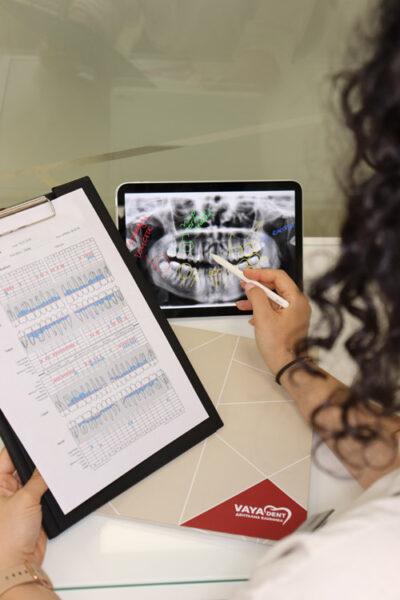
In all cases, a comprehensive orthodontic analysis will be conducted, along with the creation of an individual treatment plan. During this process, you will receive detailed information about the nature of the problem, available treatment options with approximate durations, and reasonable alternatives.
The most obvious and motivating factor for many patients seeking treatment is the desire for aligned teeth and a beautiful smile. However, from a health and preventive standpoint, the benefits are numerous. Bite deviations and the lack of treatment can lead to difficulties in maintaining oral hygiene, which increases the risk of cavities and periodontitis. Moreover, incorrect relationships in the dental-jaw complex can impact facial appearance, speech, chewing, digestion, and the condition of the temporomandibular joint.
Braces are a type of fixed orthodontic appliance placed on the visible external surface of the teeth to treat bite deviations. Each bracket contains a slot where an orthodontic metal archwire is attached, facilitating the movement and alignment of the teeth. Treatment with braces is the most commonly used and reliable method for correcting dental and jaw issues.
Braces are categorized into metal and aesthetic types based on their material and appearance.
The metal braces we use are based on the Alexander LTS system, developed in the USA by Prof. Wick Alexander. This system is clinically established as one of the safest, with proven long-term and stable results worldwide. These braces are made from high-quality medical steel and feature a compact design for easier cleaning, enhanced comfort, and improved aesthetics.
The aesthetic braces we offer are Radiance braces, made from synthetic sapphire. These are considered the highest class of aesthetic braces. Unlike ceramic and other types, sapphire braces are completely transparent, have a stylish shape, and boast great durability. They provide maximum discretion, resist discoloration, and maintain their appearance throughout the treatment.
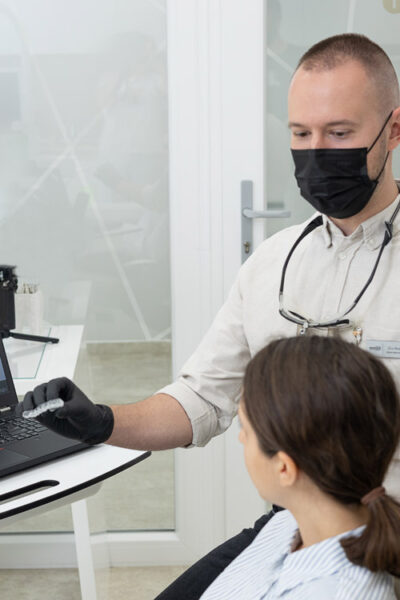
Aligners are a modern and increasingly popular method for aligning teeth and achieving a more aesthetic smile. These individual transparent removable ‘trays’ are made from a special thermoplastic polymer material. They fit snugly over the teeth and are worn for a specified period of time. Their effectiveness comes from precisely calibrated forces that generate micro-movements, shifting the teeth into their correct positions.
Treatment with aligners involves sequentially changing a specific number of trays until the desired result is achieved. Aligners are particularly suitable for patients with mild to moderate orthodontic issues, as well as for individuals whose professions or lifestyles do not permit the use of more visible conventional braces.
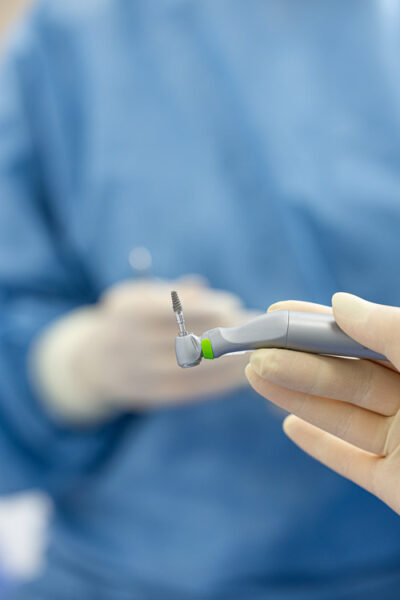
Orthodontic mini implants are small titanium screws inserted at key locations in the jaws. They serve as temporary support during tooth movement, most commonly used in conjunction with braces. Mini implants have a variety of applications, with significant advantages, including the ability to facilitate complex treatments while reducing duration and minimizing adverse effects on natural teeth.