




Implantology
Implantology is one of the most fascinating and rapidly evolving fields of dental medicine. Its primary focus is to restore smiles by replacing one or more missing teeth with dental implants.
In recent years, dental implants have become the preferred and most reliable method for addressing missing teeth, serving as an alternative to conventional dentures and bridges. The success rate of implant restorations is extremely high, and their longevity and comfort are comparable to those of natural teeth.
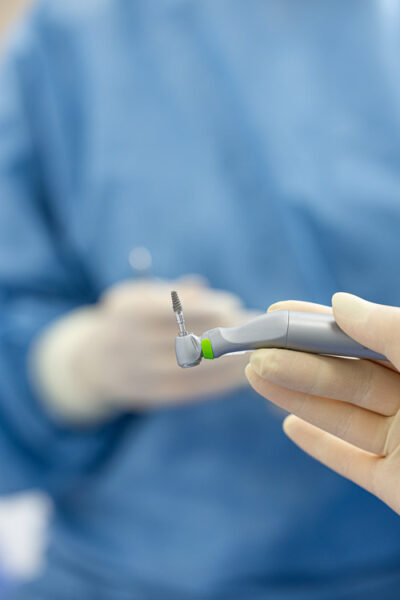
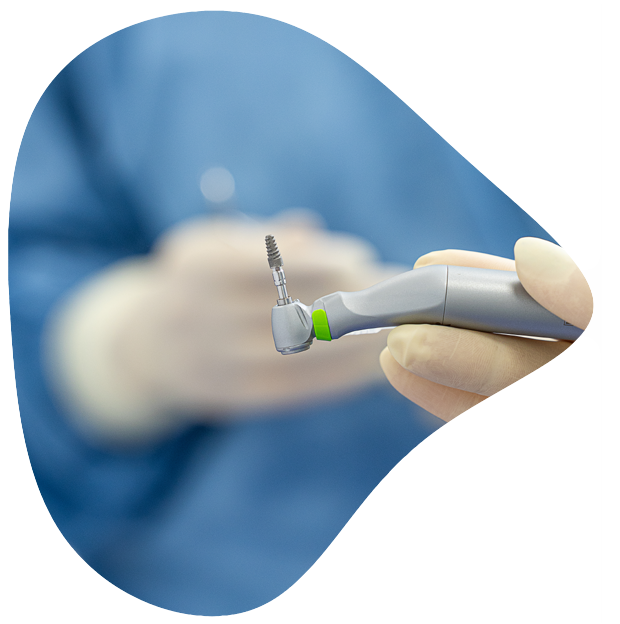
Dental implants are screw-like structures that serve as substitutes for the root of a lost tooth. Made from biocompatible materials, most commonly titanium alloys, they are surgically placed into the jawbone when necessary. A special abutment acts as a connector for the visible part of the tooth, allowing for the attachment of prosthetic structures such as crowns or bridges. This effectively makes them analogous to natural teeth.
In our practice, we uphold high quality standards in implantology, using only top-quality American dental implants for our treatments. If you have missing teeth and want to restore your smile in the most modern way possible, we can help!
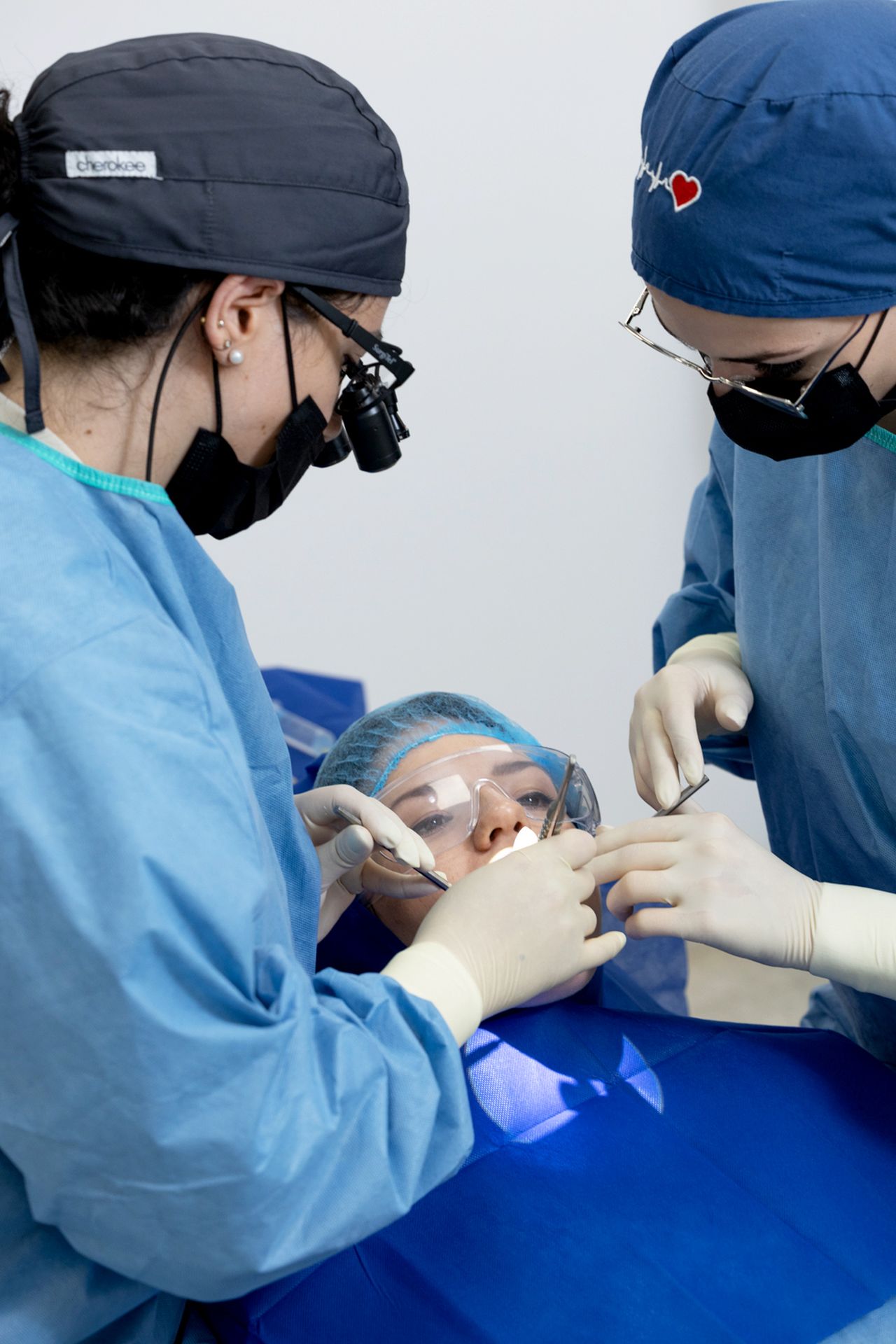
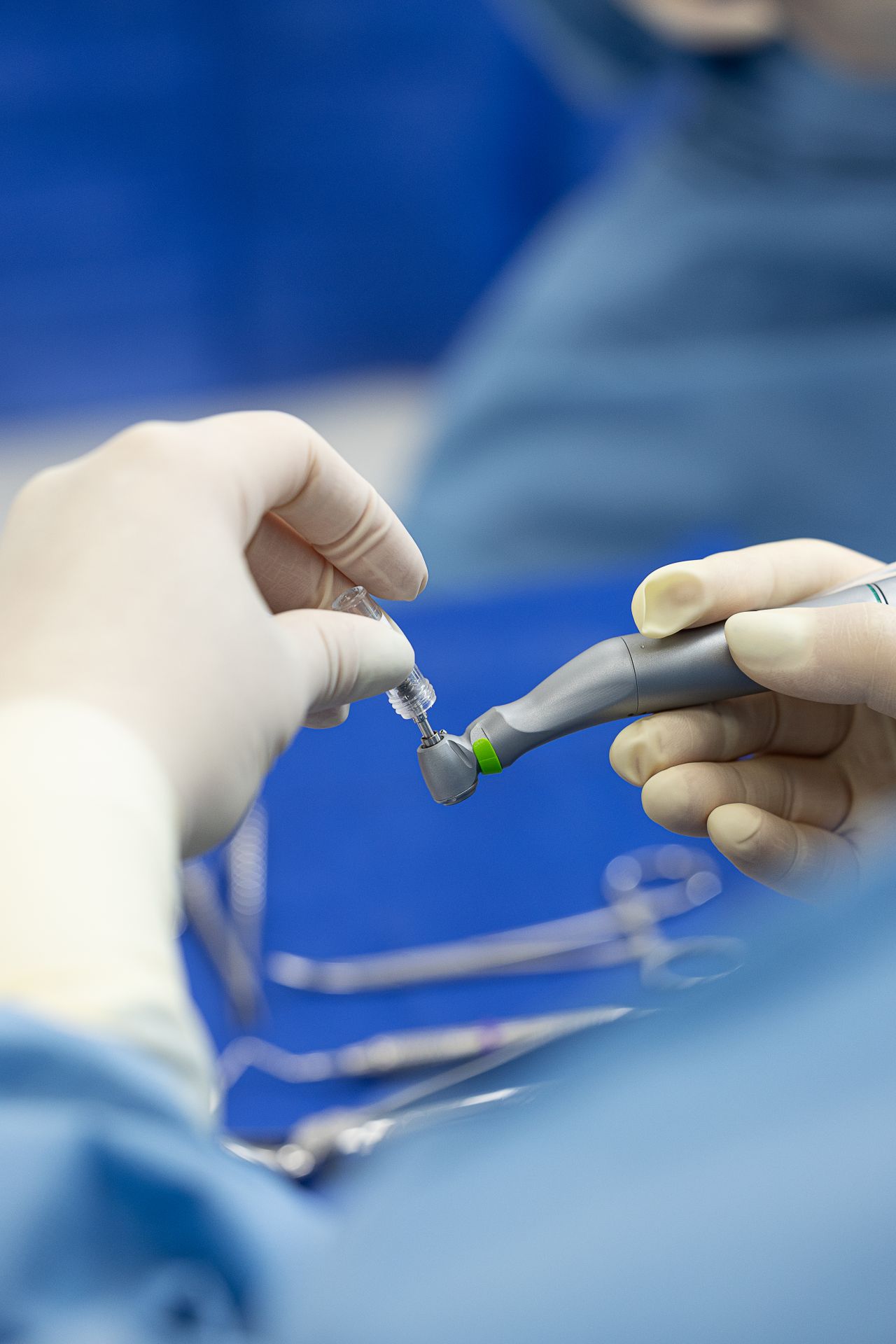
Among the main advantages of implants are their long-lasting, reliable, and predictable results in prosthetics. They enable the restoration of smiles and normal eating without the need to grind down adjacent teeth for crowns or bridges.
Additionally, with proper planning and execution, implants can be indistinguishable from natural teeth in both aesthetics and function. They are anchored in the jawbone, preventing bone loss in the area of missing teeth, and can also provide added stability and comfort for those using dentures.
There are different methods of implantation. Basal implants represent an older concept, often using single-piece implants that rely solely on mechanical retention to the bone without establishing a biological connection.
In contrast, we use modern screw-type multi-part implants, which facilitate osseointegration—essentially bonding with the bone. These implants consist of various components, including the root part (anchored in the jawbone) and the crown part (visible above the gumline), known as the abutment.
A prosthetic structure, such as a crown or bridge, is attached to the abutment, with individual components connected by special screws. This technology allows for the treatment of diverse clinical cases and enables revisions or changes to the prosthetic elements over time.
Implantation can be categorized based on the timing of the surgery:
- Immediate: The implant is placed right after tooth extraction.
- Early delayed: The implant is placed no more than a month after tooth extraction, before the bone has fully healed.
- Late delayed and routine: Several months have passed since tooth loss, and the jawbone is fully restored.
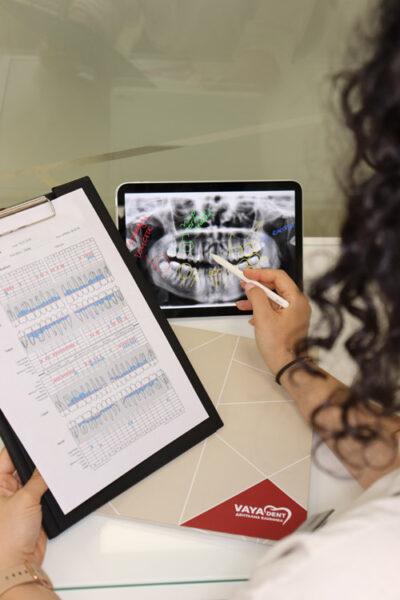
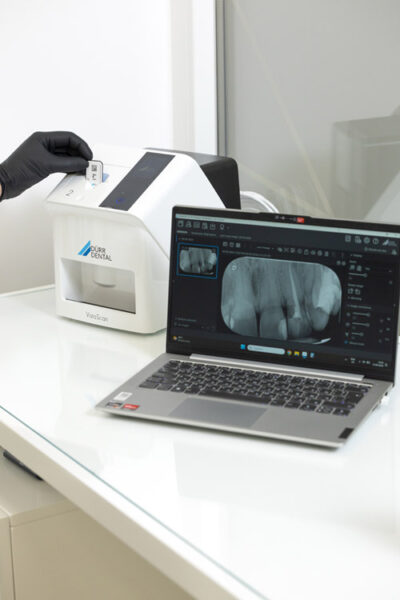
Implantological treatment with us begins with an examination and scheduling necessary X-ray assessments. We then create a comprehensive plan that outlines the sequence and scope of clinical procedures, any required additional surgical interventions on the bone and soft tissues, and the type of final restoration.
In the second stage, implants are surgically placed under local anesthesia. This is followed by a healing period during which osseointegration occurs—the process of the implants bonding with the bone. This period typically lasts from two to six months, depending on the specifics of each individual case. The final stage of treatment involves prosthetic restoration, which includes taking impressions and fabricating crowns, bridges, or prostheses for the implants.
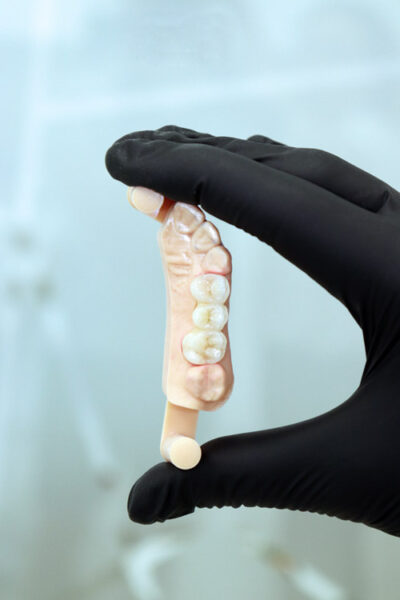
Implantological treatment is suitable for patients with completed bone growth who are missing one, several, or all teeth. Depending on the diagnosis and indications, we can create and place single crowns, bridges, or complete restorations for one or both jaws on implants. All prosthetic elements are attached to the implants using specialized components that facilitate revisions and ensure proper hygiene. We use the highest quality monolithic dental zirconia for all restorations.
After completing your treatment, we will provide you with detailed instructions on how to care for your implants. Essentially, they should be treated like your natural teeth. Maintaining optimal oral hygiene is crucial for the success of implantological treatment.
Both your teeth and implants should be brushed twice daily using an appropriate brush, toothpaste, and floss. Additional hygiene products, such as mouthwash and antibacterial gels, can also be included as needed. Regular preventive check-ups are essential, during which the condition of the implants will be monitored, and professional cleaning will be performed.