




Prosthetic dentistry
Prosthetics, also known as prosthetic dentistry, is a specialized field focused on the prevention, diagnosis, and treatment of issues arising from the partial or complete loss of teeth, as well as excessive loss of hard dental tissues.
There are several main directions in prosthetics: fixed prosthetics, removable prosthetics placed on natural teeth, and prosthetics on implants.
Fixed Prosthetics: These constructions remain permanently attached to the teeth, both at rest and during eating, and are not removed for hygiene purposes. Examples include various types of crowns and bridges on natural teeth and implants, as well as veneers, inlays, onlays, and other lab-made restorations.
Removable Prosthetics: This approach involves treating tooth loss with prosthetic constructions—dentures that are not fixed to the teeth and can be removed. This option is suitable when fixed prosthetics are not possible. The dentures can vary in scope, configuration, and materials.
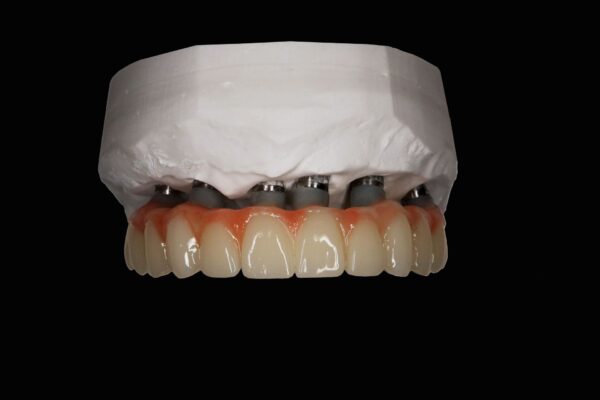
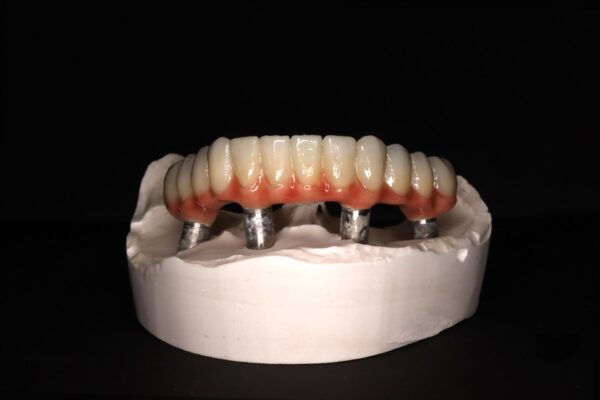
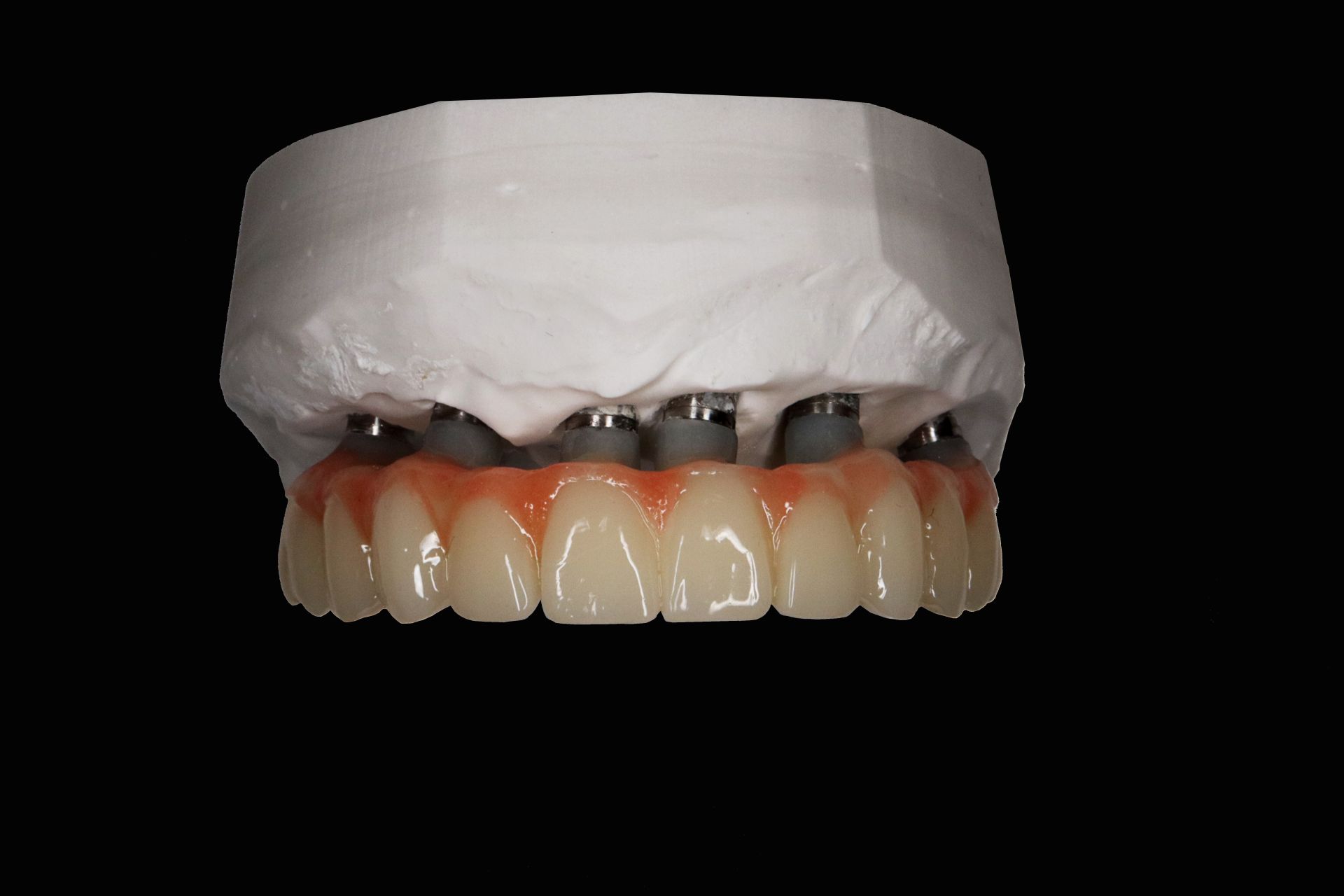
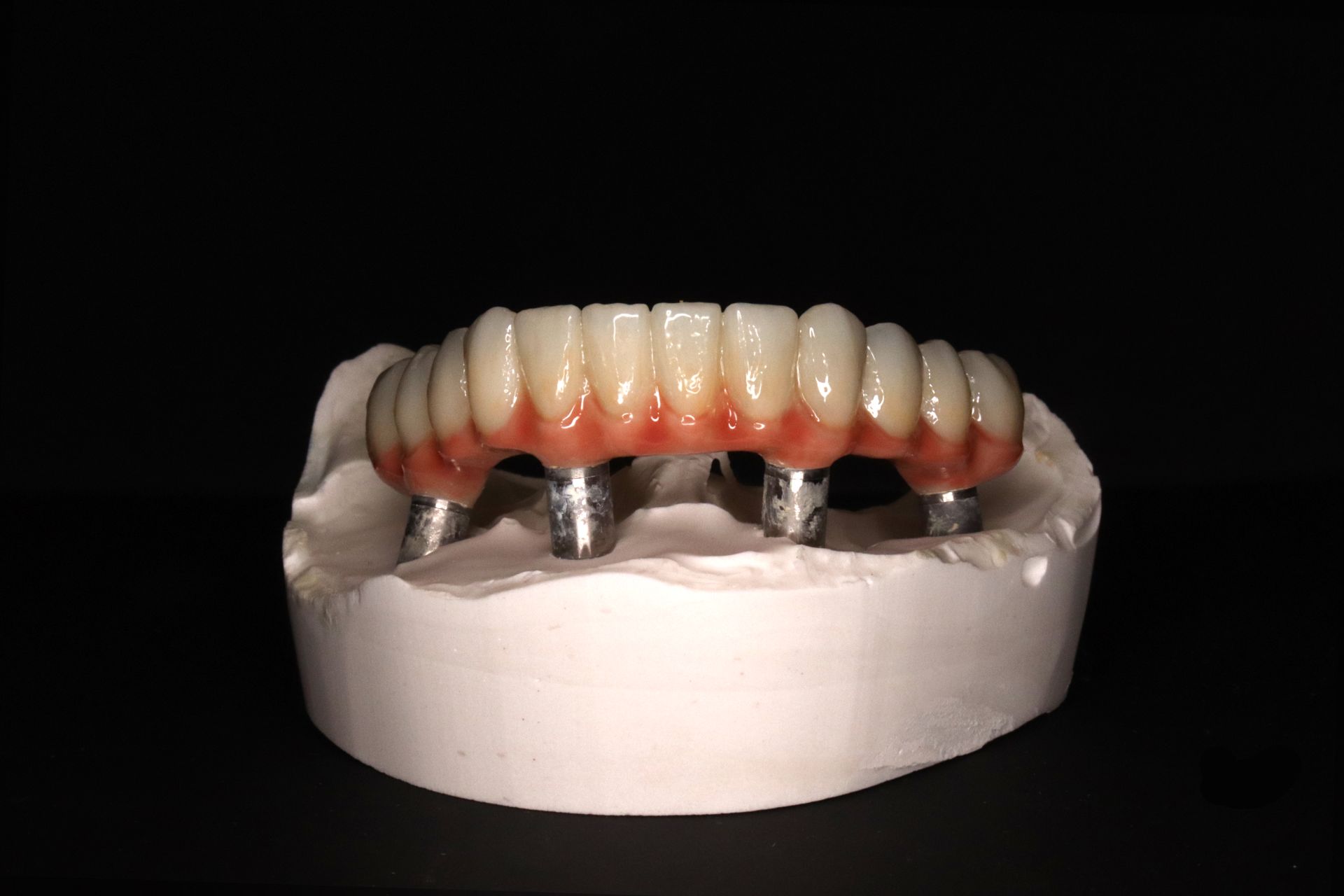
Prosthetics on implants is one of the most effective and long-lasting solutions for addressing tooth loss. In this approach, dental implants are strategically placed in the jaw to support prosthetic constructions instead of relying on natural teeth. This type of treatment combines the advantages of both fixed and removable prosthetics while minimizing most of their disadvantages.
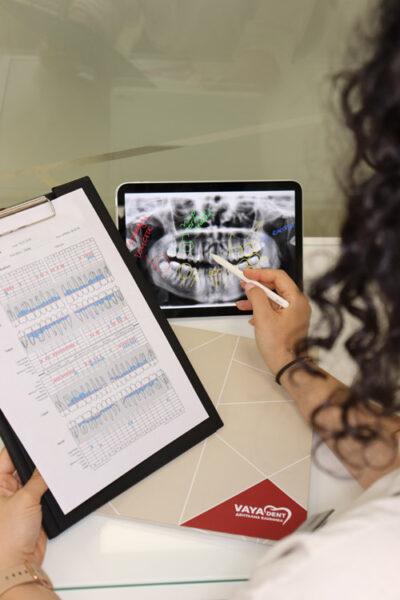
Successful prosthetics require knowledge from various disciplines, thorough analysis, and effective coordination between the medical team and the patient. At our clinic, we use high-quality dental materials and adhere to modern treatment protocols. We emphasize clear communication with patients, starting with a discussion of an individualized treatment plan that outlines the therapeutic stages, available options, and expected results. Our ultimate goal is to achieve the optimal balance of aesthetics and functionality, enhancing not only your self-esteem but also your quality of life—because we believe everyone deserves a smile!
Modern dental implants are the closest analog to natural teeth. These structures resemble screws and are made from biologically compatible materials, permanently placed in the jawbone to replace missing teeth.
The main advantages of implants include their long-lasting, reliable, and predictable results in prosthetics. Implant treatment allows for the restoration of smiles and normal eating without the need to file down adjacent teeth for a crown or bridge. Additionally, implants can provide extra stability and comfort when using dentures
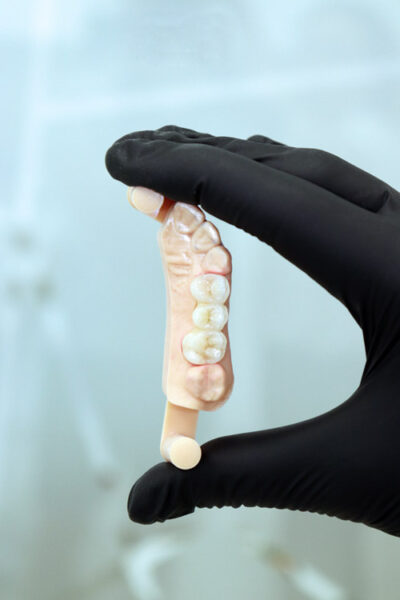
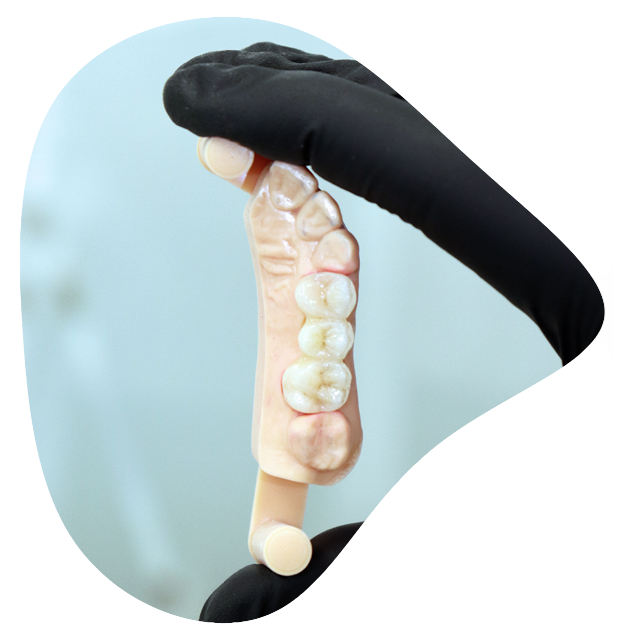
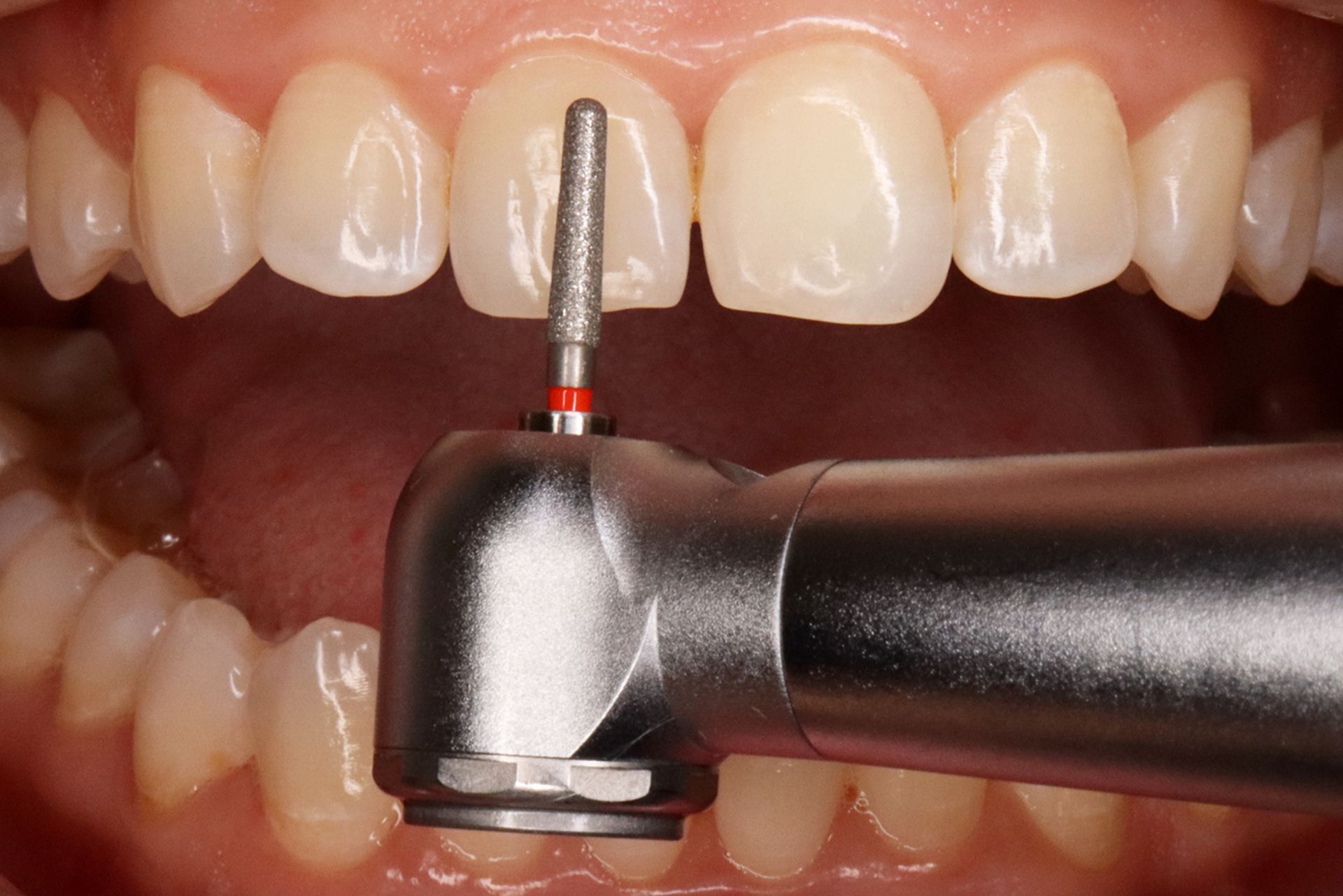
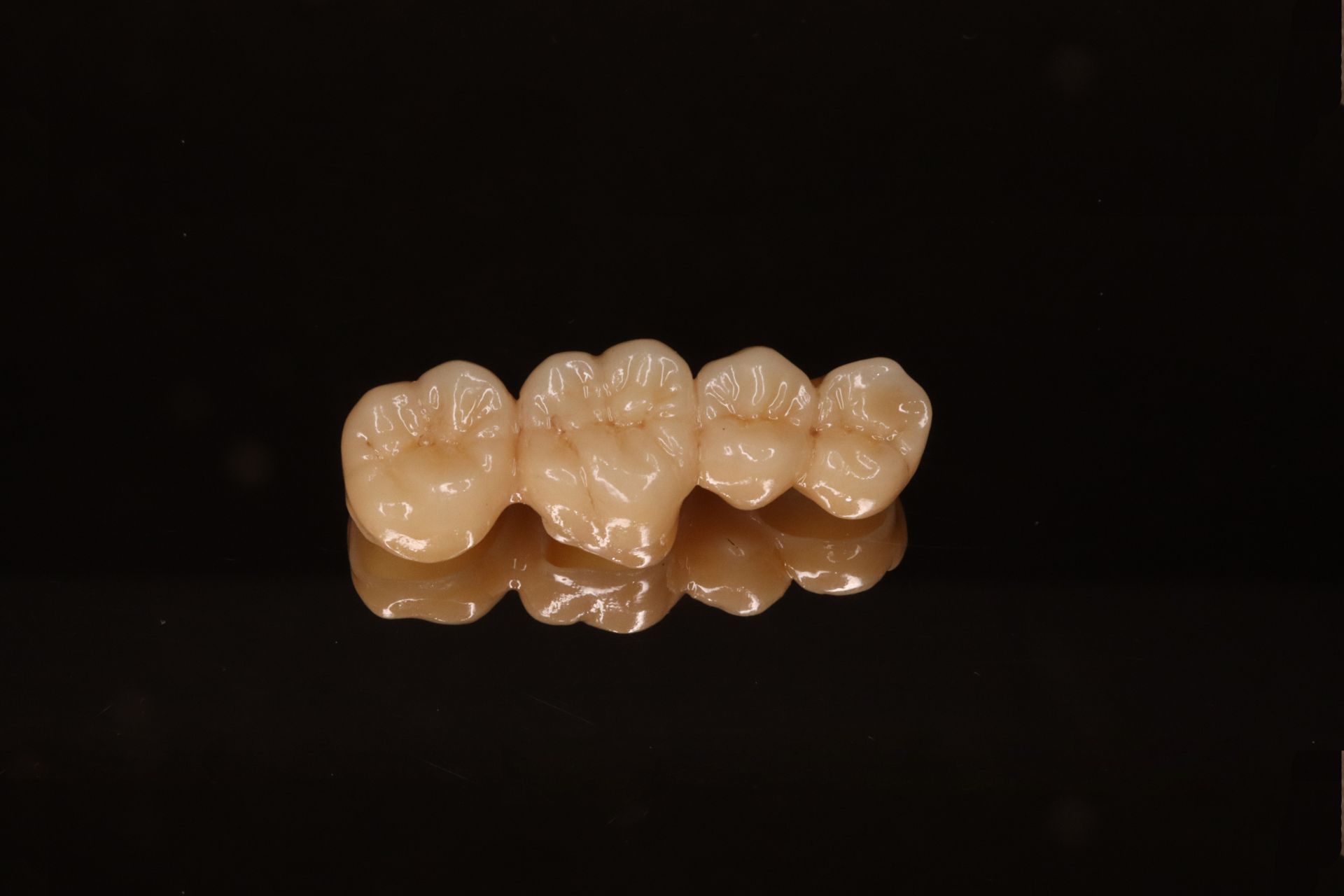
Classic crowns encase a tooth from all visible sides, acting as a ‘cap’ that restores its shape, function, and aesthetics. A bridge, in simple terms, is a series of interconnected crowns used to replace one or more missing teeth. To create a bridge, the adjacent teeth are filed down and prepared just as they would be for a crown.
Crowns and bridges are used to protect teeth, prevent shifting and tilting, and restore chewing and speaking functions. They also help correct aesthetic defects. The most common cases for their use include:
- Reduced tooth strength after treatment of large caries and complications
- Changes in the shape, size, and color of the tooth
- Fractures (breaks) of the tooth
- Tooth wear
- Changes in the position of the tooth
Crowns and bridges can be categorized based on the material used in their fabrication:
Metal Ceramic Crowns
These remain popular due to their good aesthetics, high strength, and affordability. The base is made of metal, with layers of ceramic applied to mimic natural tooth anatomy.Porcelain Crowns
Porcelain offers excellent mechanical properties and can withstand significant loads. It is biocompatible, causing no adverse reactions, leading to natural sensations and comfort. Often chosen for front teeth due to its superior aesthetics, modern porcelain can also be used for back teeth restorations.Zirconia Crowns
Zirconia crowns combine the advantages of porcelain with added strength. They are lightweight, comfortable, and visually indistinguishable from natural teeth. There are two main types:
a. Full Contour Zirconia Crowns: Made entirely of zirconia.
b. Zirconia-Ceramic Crowns: Feature a zirconia base with ceramic layered on top, achieving maximum aesthetics and strength.Polymer or Temporary Crowns
Made from special polymers, these crowns serve as transitional solutions during treatment until permanent constructions are placed.
Adhesive bridges provide an innovative solution for restoring missing teeth, combining aesthetics with functionality. These bridges are constructed using special glass fibers as a base and durable photopolymer composites for the tooth structure.
This method is particularly suitable for cases involving a single missing tooth with healthy adjacent teeth or those with old fillings. One of the significant advantages of adhesive bridges is that they require no grinding of the surrounding healthy teeth. They are often chosen by patients who plan to undergo implant treatment in the future or need a quick, effective solution for aesthetic concerns in the front area of the smile.
Types of Dentures:
-
Full (Total) Dentures: Used when there are no remaining teeth in the respective jaw.
-
Partial Dentures: Designed for cases where some natural teeth are preserved.
Materials Used:
-
Standard Acrylic: The most basic type of hard dentures, still quite common.
-
Thermoplastic: Made from biologically compatible polymers, these dentures are elastic, lightweight, comfortable, and aesthetically pleasing.
-
Skeletal Dentures: A specific type of partial denture featuring a hard, usually metal, base (skeleton) that offers high strength and excellent stability.
Dental implants can also be used to secure dentures, creating a stable fit. In these cases, the dentures are made with a minimal size and connect to the implants, making them virtually immovable during eating while remaining easy to clean and maintain. This combination of features makes implant-supported dentures an extremely convenient and preferred modern prosthetic solution.